DESIGN, RAPID PROTOTYPING AND REVERSE ENGINEERING: HOW TO ACCELERATE YOUR INDUSTRIAL PROJECTS AND REDUCE RISK
DESIGN, RAPID PROTOTYPING AND REVERSE ENGINEERING: HOW TO ACCELERATE YOUR INDUSTRIAL PROJECTS AND REDUCE RISK
DESIGN, RAPID PROTOTYPING AND REVERSE ENGINEERING: HOW TO ACCELERATE YOUR INDUSTRIAL PROJECTS AND REDUCE RISK
In today’s demanding industrial environment, companies must innovate quickly, control costs, and reduce time-to-market.
However, there is often a significant gap between an idea, a concept, and a fully functional part ready for production. This is exactly where 3D design, rapid prototyping, and reverse engineering services deliver real value.
When integrated into your projects, these capabilities become powerful performance drivers. Here’s how they can benefit your business in concrete terms.
1. Turn your ideas into tangible solutions—quickly
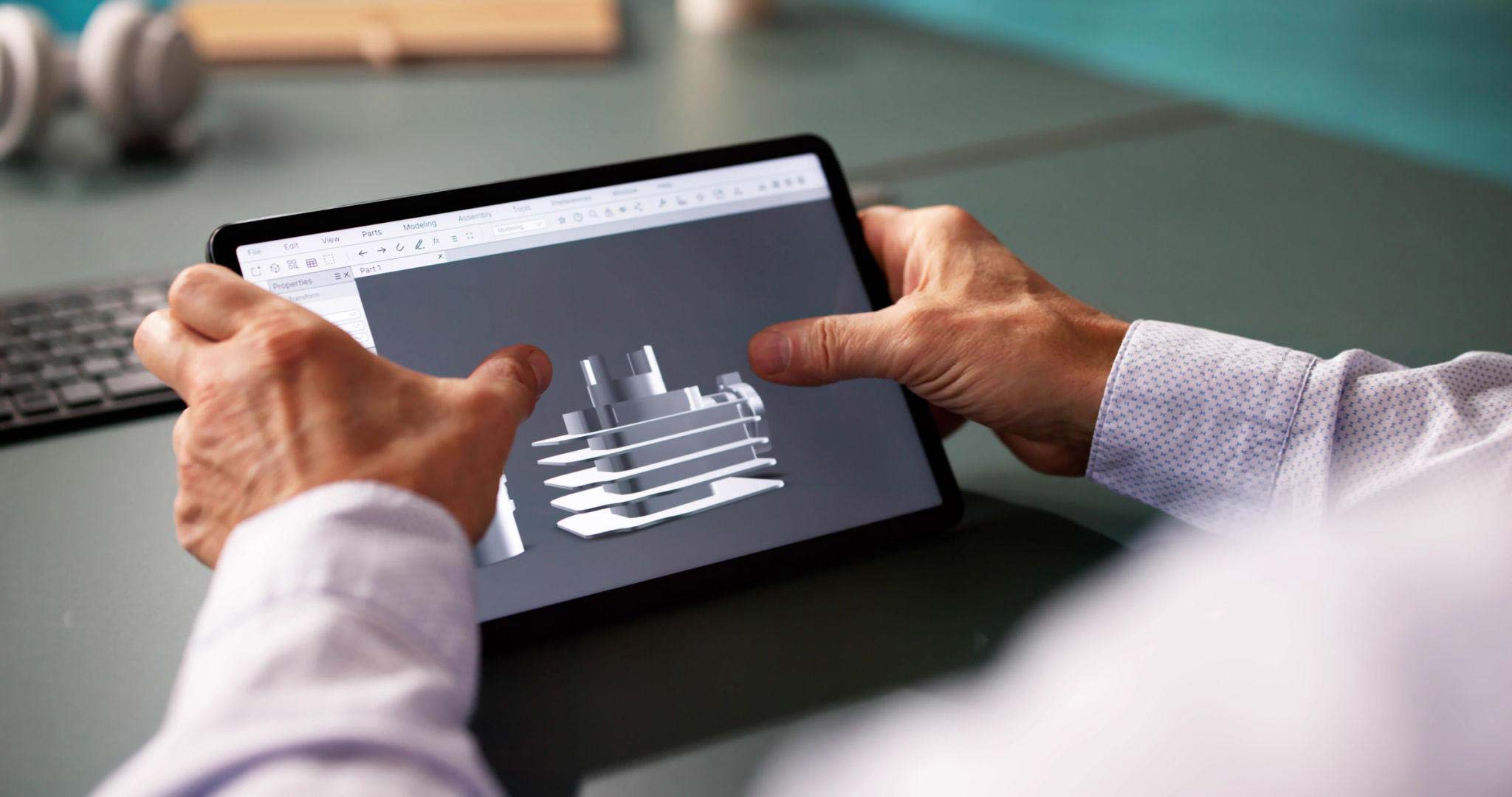
Do you have an idea for a part, a specific need, or a technical challenge—but no detailed drawings?
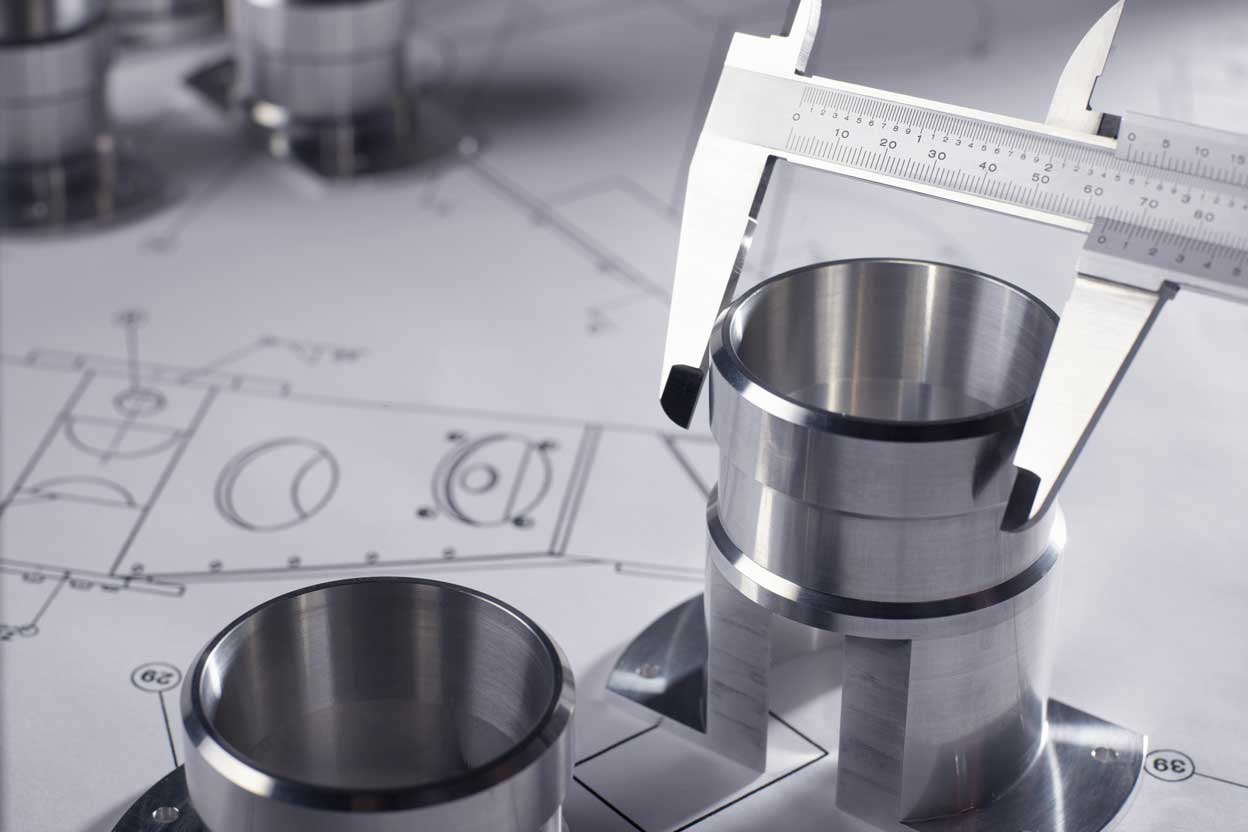
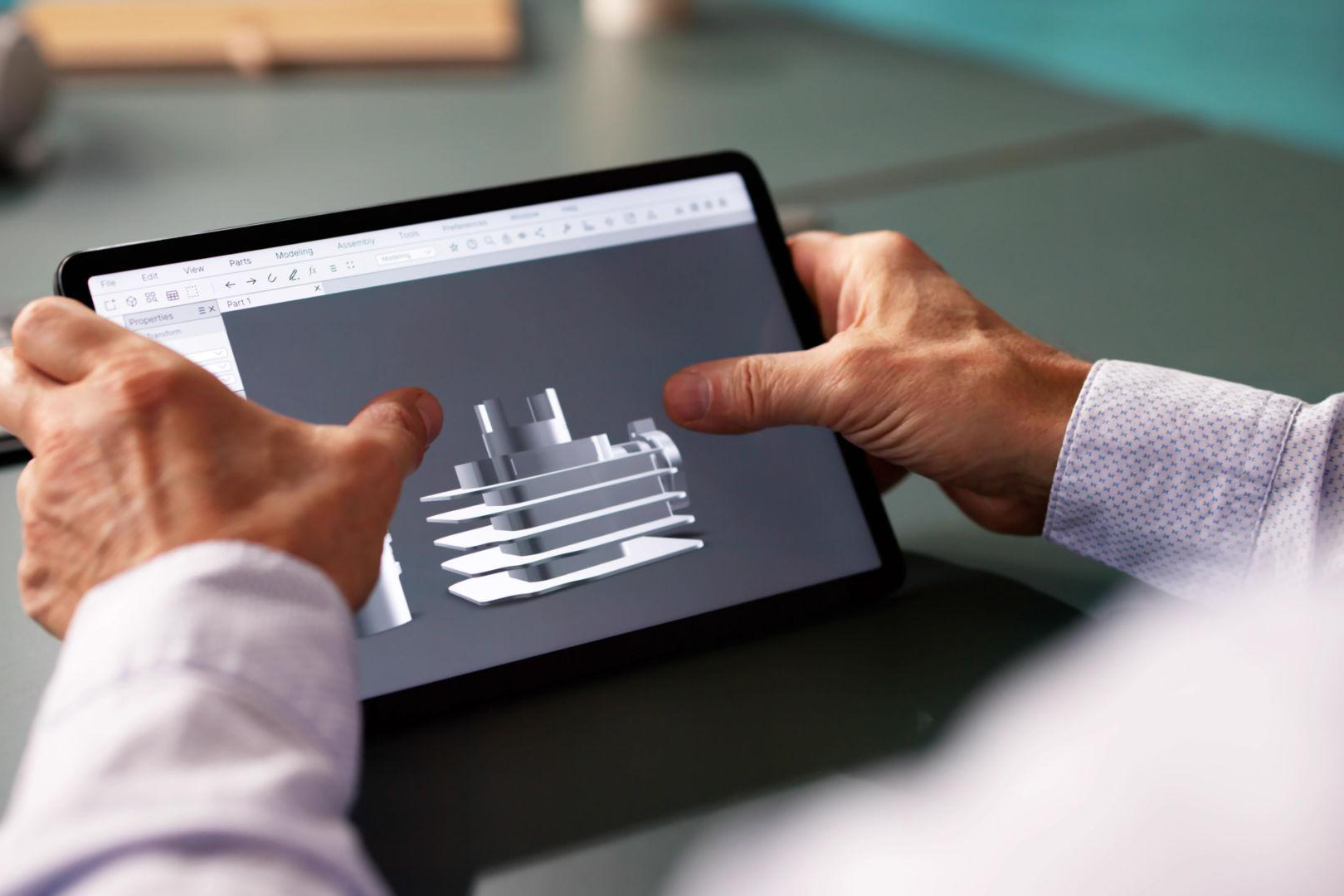
3D design allows you to quickly move from concept to a clear, workable model.
What this means for you
- You can visualize your part before manufacturing
- You validate concepts more easily with your team
- You reduce technical misunderstandings
- You speed up decision-making
Instead of working with assumptions, you work with something real.
Reduce errors and costs from the start
A design error can be costly—especially if it is discovered during production or, worse, by your end customer.
By integrating design early, you can anticipate real manufacturing constraints.
Direct impact on your business
• Fewer reworks
• Fewer rejected parts
• Fewer unexpected delays
• Better cost control
You invest slightly more upfront… to save significantly downstream.
Test, refine and validate before production
One of the biggest risks in product development is launching production without proper validation.
Rapid prototyping helps you secure this critical step.
Why this matters
With a functional prototype, you can:
• Test the part in real conditions
• Validate mechanical performance
• Check fit and assembly with other components
• Refine the design before production
The result
• Reduced risk of failure
• Avoidance of costly corrections
• Improved final product quality
It’s technical assurance before financial commitment.
In many industries, timing is critical. Being a few months late can mean missed opportunities.
Rapid prototyping and fast iterations allow you to move significantly faster.
What you gain
- Shorter development cycles
- Faster decision-making based on real testing
- The ability to continuously improve your product
You move from idea to market-ready product much faster.
Reproduce and improve existing parts
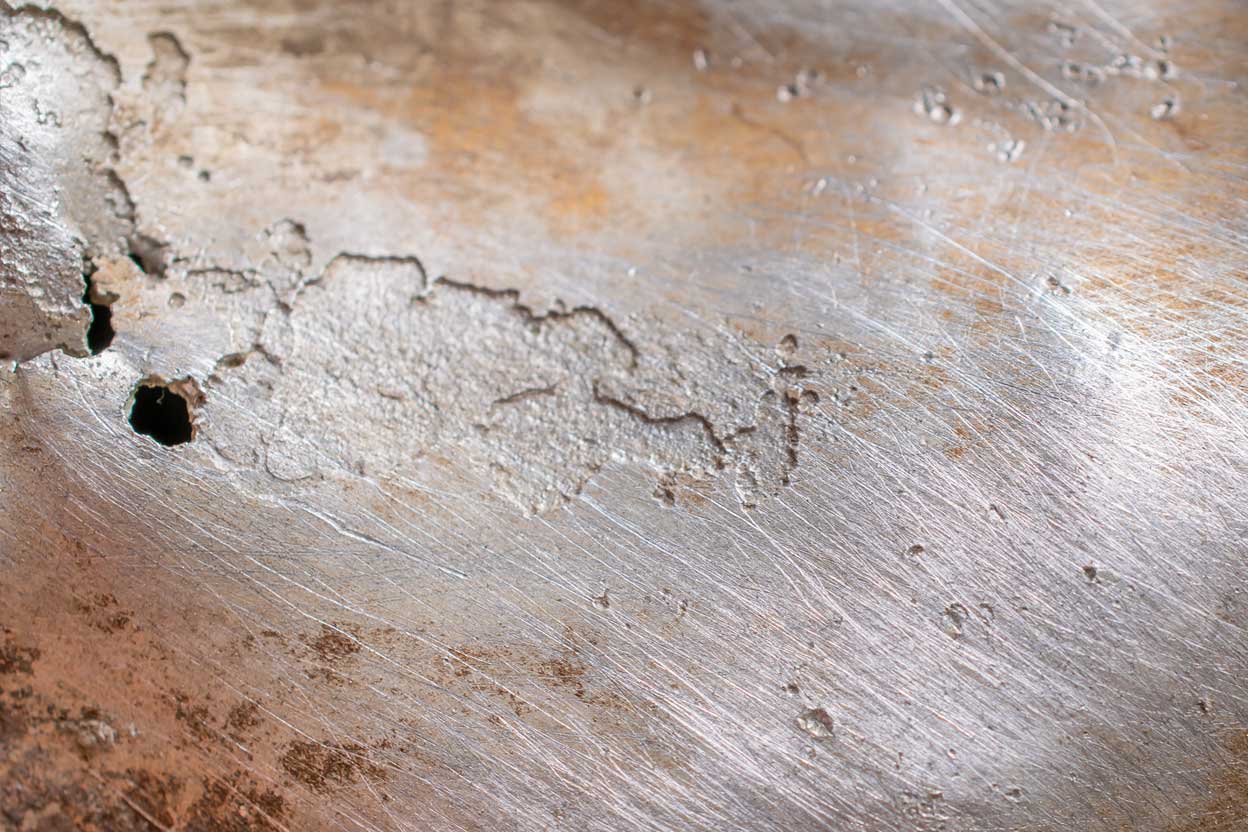
It’s common to need a replacement part… without having the original drawings.
This is where reverse engineering becomes a powerful solution.
Typical situations
• Obsolete or unavailable parts
• Supplier no longer in business or unreliable
• Legacy equipment still in operation
• Need to improve an existing component
What it enables
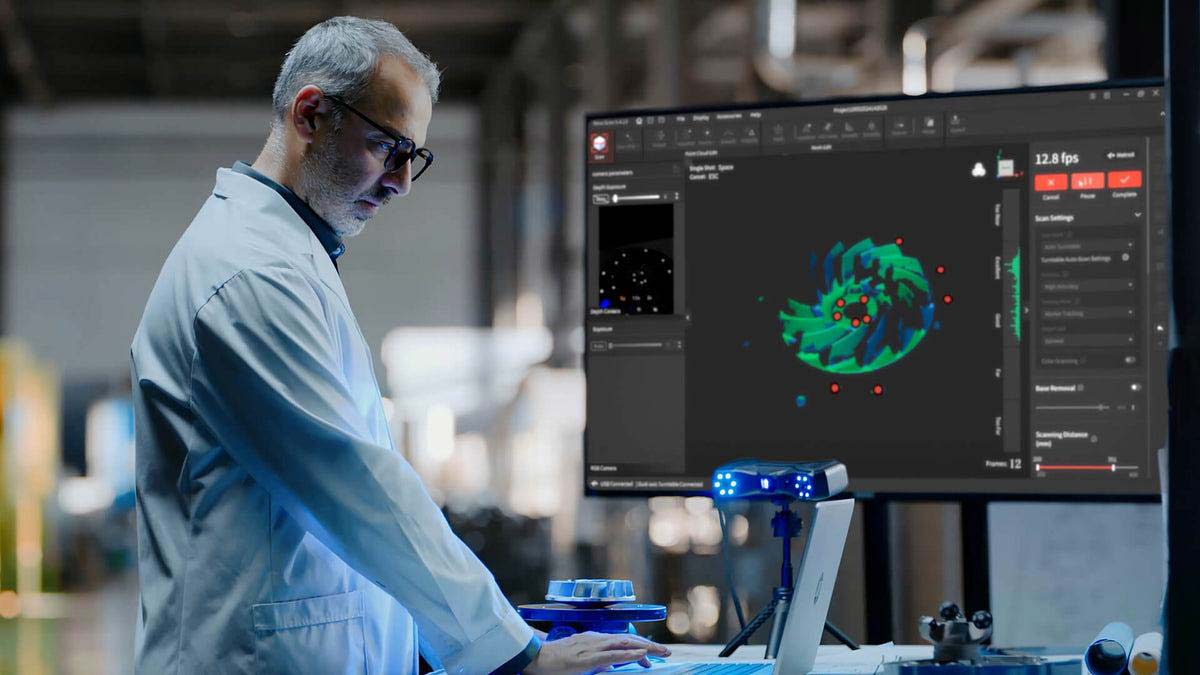
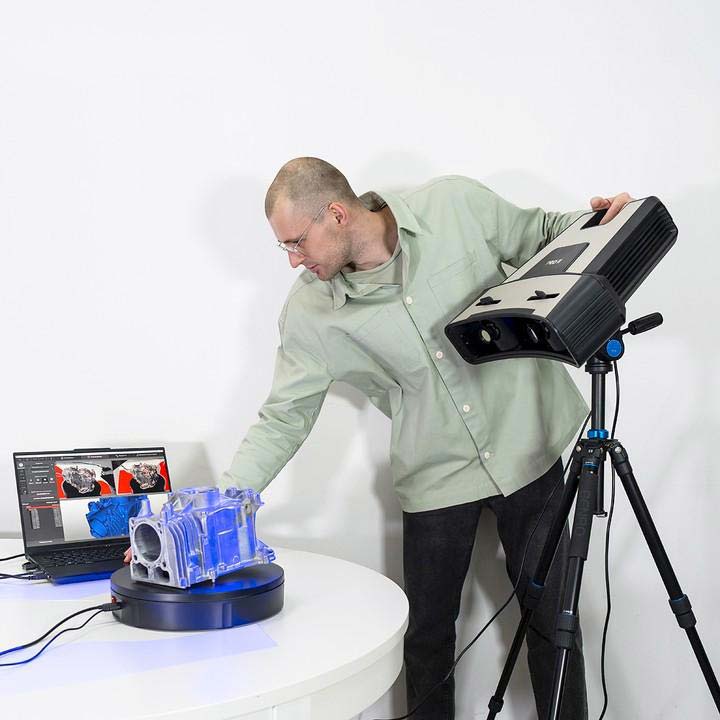
• Recreate an accurate 3D model from a physical part
• Restart production quickly
• Improve performance or durability
You are no longer dependent on original documentation—or a single supplier.
Gain autonomy and flexibility
Relying on a single supplier or missing documentation can limit your ability to act.
With reverse engineering and integrated design, you regain control.
Benefits for your organization
- Greater supply chain independence
- Reduced lead times tied to third parties
- Faster response to unexpected issues
You become more agile in your operations.
Optimize your parts and improve performance
An existing part is not always an optimal part.
Through analysis and modeling, improvement opportunities can be identified.
Practical examples
• Reduce part weight
• Increase strength
• Simplify manufacturing
• Extend service life
Result
• Better overall performance
• Lower long-term costs
• Reduced maintenance needs
You’re not just reproducing—you’re improving.
Managing a project involving multiple stakeholders can quickly become complex:
- Designer
- Engineer
- Prototype supplier
- Machine shop
Every handoff creates risk.
An integrated approach makes the difference
When these steps are centralized, you benefit from:
- Fewer intermediaries
- Smoother communication
- Better technical consistency
- Improved control over timelines
You spend less time coordinating—and more time moving forward.
Foster innovation within your organization
One of the biggest barriers to innovation is the difficulty of quickly testing new ideas.
When you can design and prototype rapidly, everything changes.
What this enables
- Test multiple concepts with limited commitment
- Quickly adjust based on results
- Encourage internal initiatives
You create an environment where innovation thrives.
Adapt to your industry’s requirements
Whether you operate in medical, energy, industrial manufacturing, or other sectors, your constraints are specific:
- Strict standards
- High precision requirements
- Demanding operating conditions
Design and prototyping services help you meet these challenges more effectively.
In practice
- Easier validation of compliance
- Reduced technical risks
- Better adaptation to real-world conditions
It’s tempting to focus only on the manufacturing cost of a part.
But the real challenge is the total project cost.
By integrating these services, you reduce:
- Design errors
- Production delays
- Rework
- Failures in use
Result
A more controlled, profitable, and predictable project.
CONCLUSION: Move faster while reducing risk
Today, the most successful companies are not just those that produce—they are those that develop smarter.
By integrating 3D design, rapid prototyping, and reverse engineering into your projects, you:
- Reduce risk
- Accelerate timelines
- Improve product quality
- Increase flexibility
And most importantly, you turn technical challenges into real growth opportunities.