HOW TO READ A MACHINING DRAWING: COMMON MISTAKES TO AVOID
HOW TO READ A MACHINING DRAWING: COMMON MISTAKES TO AVOID
HOW TO READ A MACHINING DRAWING: COMMON MISTAKES TO AVOID
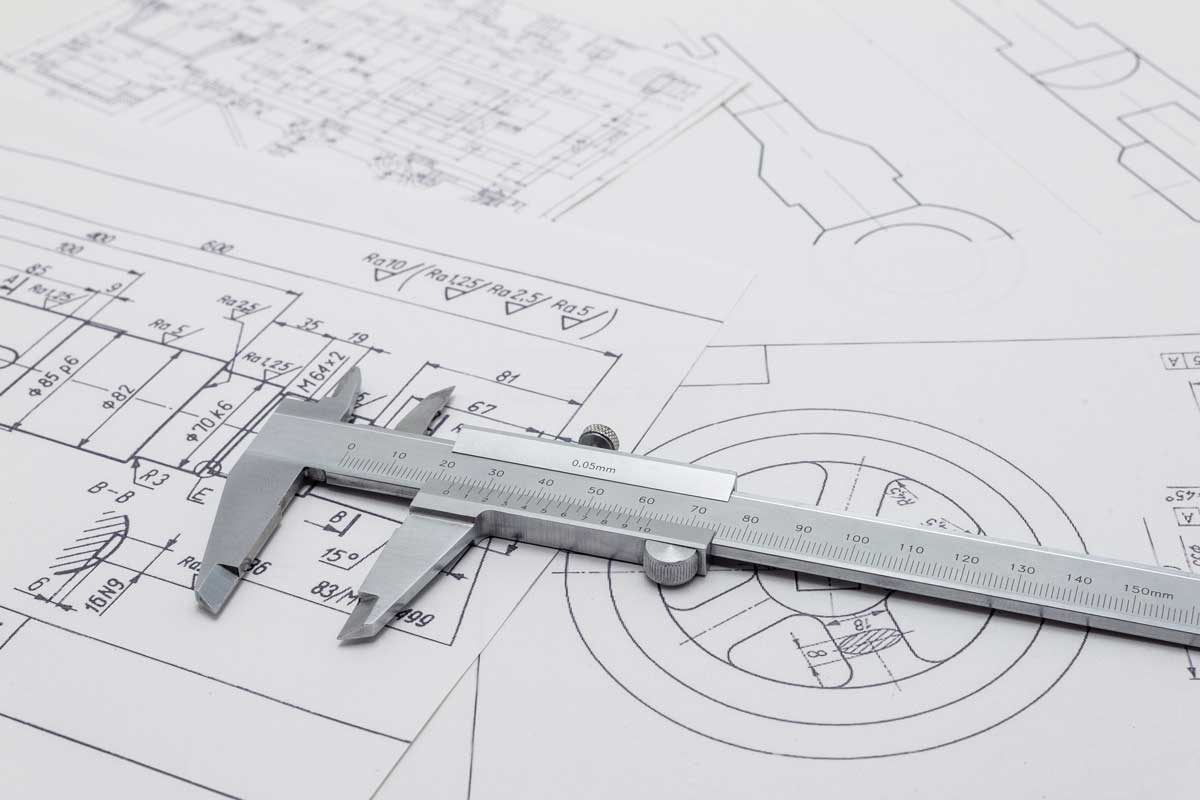
A machining drawing is the common language between the client and the machine shop.
When it is clear, it allows efficient, precise and unambiguous manufacturing.
When it is incomplete or misinterpreted, it can lead to delays, additional costs and non-conformities.
Here are the most common mistakes encountered when reading machining drawings — and how to avoid them.
CONFUSING FUNCTIONAL DIMENSIONS WITH REFERENCE DIMENSIONS
Not all dimensions on a drawing have the same importance.
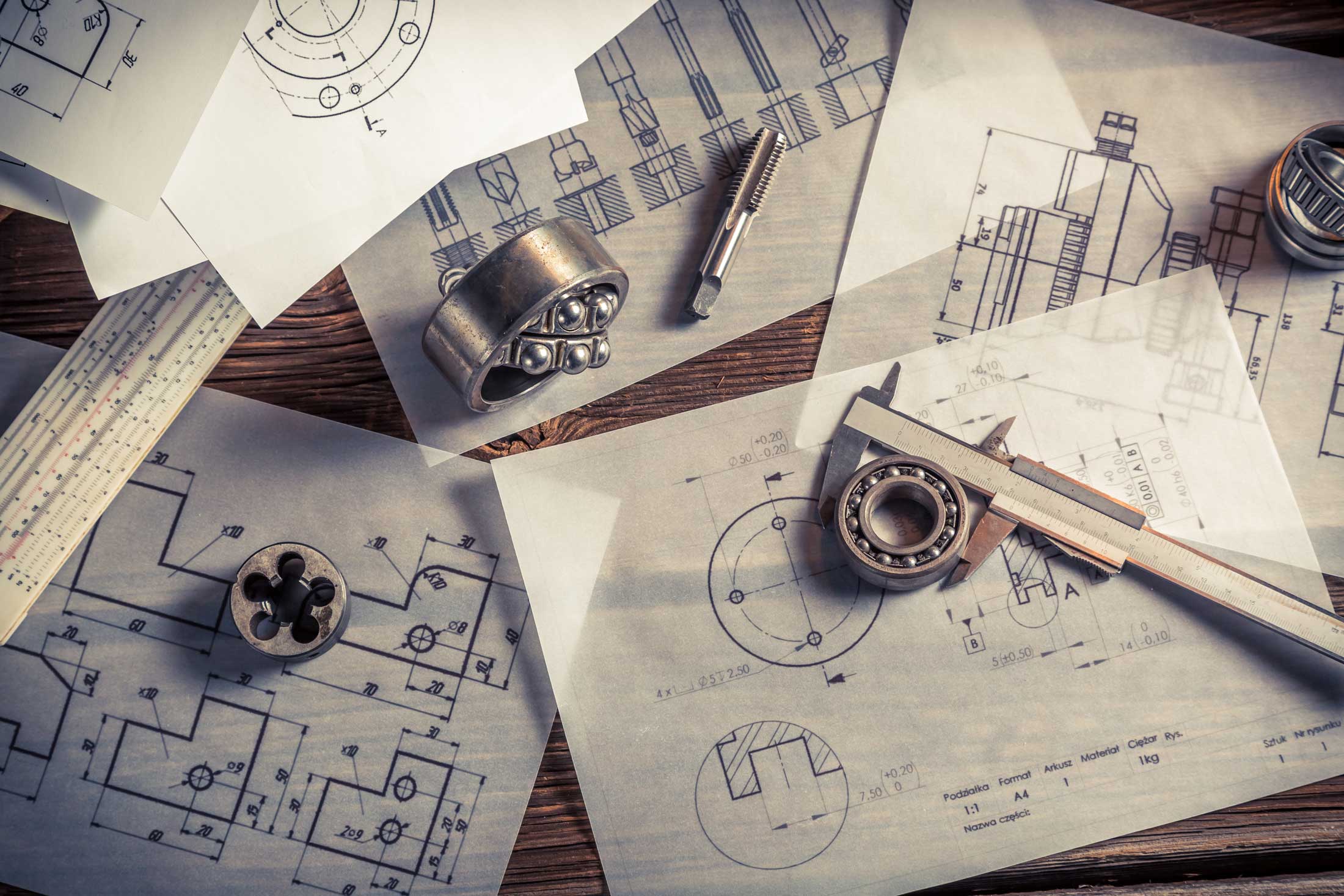
A common mistake is to treat every dimension as critical without distinguishing those that are truly functional. This leads to unnecessarily long machining times, higher costs and unnecessary complexity. It is therefore important to clearly identify functional dimensions (those that directly affect assembly or performance) and secondary or reference dimensions.
A critical dimension should always be justified by the function of the part.
TOLERANCES THAT ARE TOO TIGHT… OR POORLY DEFINED
Tolerances are often the main source of issues. Common mistakes include applying tight tolerances everywhere “for safety”, leaving some tolerances unspecified, or defining tolerances that are inconsistent with the manufacturing process.
This can lead to significantly higher costs, rejected quotes, rework or non-conformities.
Best practice is to tighten tolerances only where necessary, use general tolerances (ISO, ASME) when applicable, and discuss critical tolerances with the machine shop.
MISUNDERSTANDING DATUM REFERENCES
Geometric references (datums) define how the part is positioned and measured.
Often datums are missing, poorly selected or inconsistent with the real setup used in the machine shop.
This can lead to machining difficulties, dimensional variations or impossible inspections.
It is important to define logical, stable and accessible datums aligned with the real function of the part and its assembly.
SURFACE FINISH OMITTED OR OVER-SPECIFIED
Surface finish has a direct impact on function, service life and cost.
Sometimes no surface finish is specified, or an extremely fine finish is required everywhere without justification.
This can create functional problems (friction, sealing) and unnecessary additional costs.
It is therefore essential to specify surface finish only where it is functional and allow standard finishes elsewhere.
INCOMPLETE OR INCONSISTENT DRAWINGS
A drawing must be self-contained.
Too often there are missing views, contradictory dimensions, unclear notes or unidentified revisions.
This leads to different interpretations, unnecessary back-and-forth and potential errors.
It is important to verify drawing consistency before sending it, clearly identify the revision and avoid assumptions.
FORGETTING THE PART’S REAL APPLICATION
Understanding how the part will actually be used is essential to properly define dimensions, tolerances and surface finishes.
Without this context, some specifications may become unnecessarily strict or poorly suited to the real application.
NOT VALIDATING THE DRAWING WITH THE MACHINE SHOP
Drawings are sometimes sent without prior discussion with the machine shop.
This can lead to surprises during quoting, longer lead times and suboptimal solutions.
It is better to validate key points with the shop, encourage questions and treat the shop as a technical partner.

CONCLUSION: A GOOD DRAWING IS ALREADY HALF THE SUCCESS
A clear, coherent and well-designed machining drawing enables faster manufacturing, controlled costs and compliant quality from the very first part.
At Précifab, we believe that careful drawing review and transparent communication are essential to deliver reliable, precise parts adapted to their function.