SURFACE FINISH: WHAT YOU REALLY NEED TO SPECIFY
SURFACE FINISH: WHAT YOU REALLY NEED TO SPECIFY
SURFACE FINISH: WHAT YOU REALLY NEED TO SPECIFY
In machining, surface finish directly affects the function, service life and sometimes the safety of a part. Yet it is common to see drawings where surface finish is either missing or over-specified, leading to unnecessary costs and delays.
Here’s how to know what to specify, where to specify it, and when to avoid asking for too much.
WHY SURFACE FINISH MATTERS

Surface finish affects friction and wear, sealing, assembly, appearance and manufacturing cost.
The finer the surface finish, the longer the machining time, the stricter the inspections and the higher the cost.
WHAT SURFACE FINISH REALLY MEANS
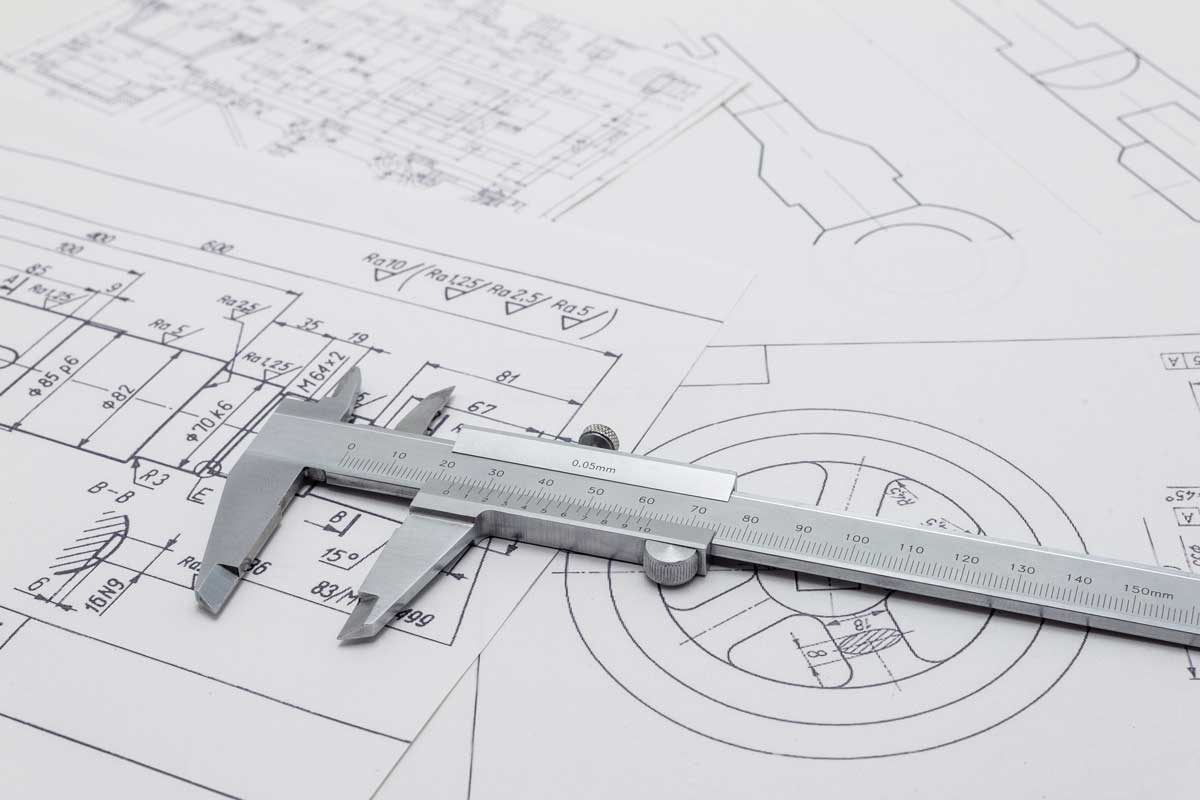
Surface finish is usually expressed using parameters such as Ra (average roughness), Rz (average peak-to-valley height), and sometimes Rt or other more specific parameters.
In most industrial cases, Ra is sufficient when properly selected.
WHEN A SPECIFIC SURFACE FINISH IS REQUIRED
FUNCTIONAL CONTACT SURFACES
Surfaces that slide, roll, rub or guide require a controlled surface finish to reduce wear, ensure performance and prevent seizing.
Examples include shaft journals, guide bores and sliding surfaces.
SEALING SURFACES
Surfaces in contact with O-rings, gaskets or sealing faces must have a finish compatible with the type of seal used. If the surface is too rough, leaks may occur; if it is too smooth, the seal may not hold properly.
PARTS SUBJECTED TO DYNAMIC LOADS
A proper surface finish helps limit crack initiation, fatigue and vibration.
AESTHETIC OR REGULATORY REQUIREMENTS
Some visible or regulated parts may require a uniform finish, controlled roughness or visual consistency.
WHEN IT IS BETTER NOT TO OVER-SPECIFY SURFACE FINISH
NON-FUNCTIONAL SURFACES
Faces that are not involved in assembly, are not in contact and do not experience specific loads can keep a standard machining finish.
AVOID SPECIFYING A FINE FINISH EVERYWHERE
This increases machining time, raises costs and provides no functional benefit. It is better to target critical surfaces only.
SINGLE PARTS OR REPAIRS
For a single part or a repair, the surface finish should be functional rather than theoretical.
SURFACE FINISH AND MACHINING PROCESSES: STAY REALISTIC
Each process has its limits: milling, turning, grinding and polishing.
Specifying a very fine finish on a difficult-to-access surface may require additional operations and significantly increase costs.
Surface finish should always remain compatible with the machining process.
CONCLUSION: A FUNCTIONAL FINISH, NOT AN EXCESSIVE ONE
A well-specified surface finish ensures proper function, facilitates machining, reduces costs and avoids misunderstandings.
At Précifab, we help our clients define the surface finishes that are truly required based on the real use of the parts.