TOLERANCES: WHEN TO TIGHTEN… AND WHEN TO AVOID IT
TOLERANCES: WHEN TO TIGHTEN… AND WHEN TO AVOID IT
TOLERANCES: WHEN TO TIGHTEN… AND WHEN TO AVOID IT
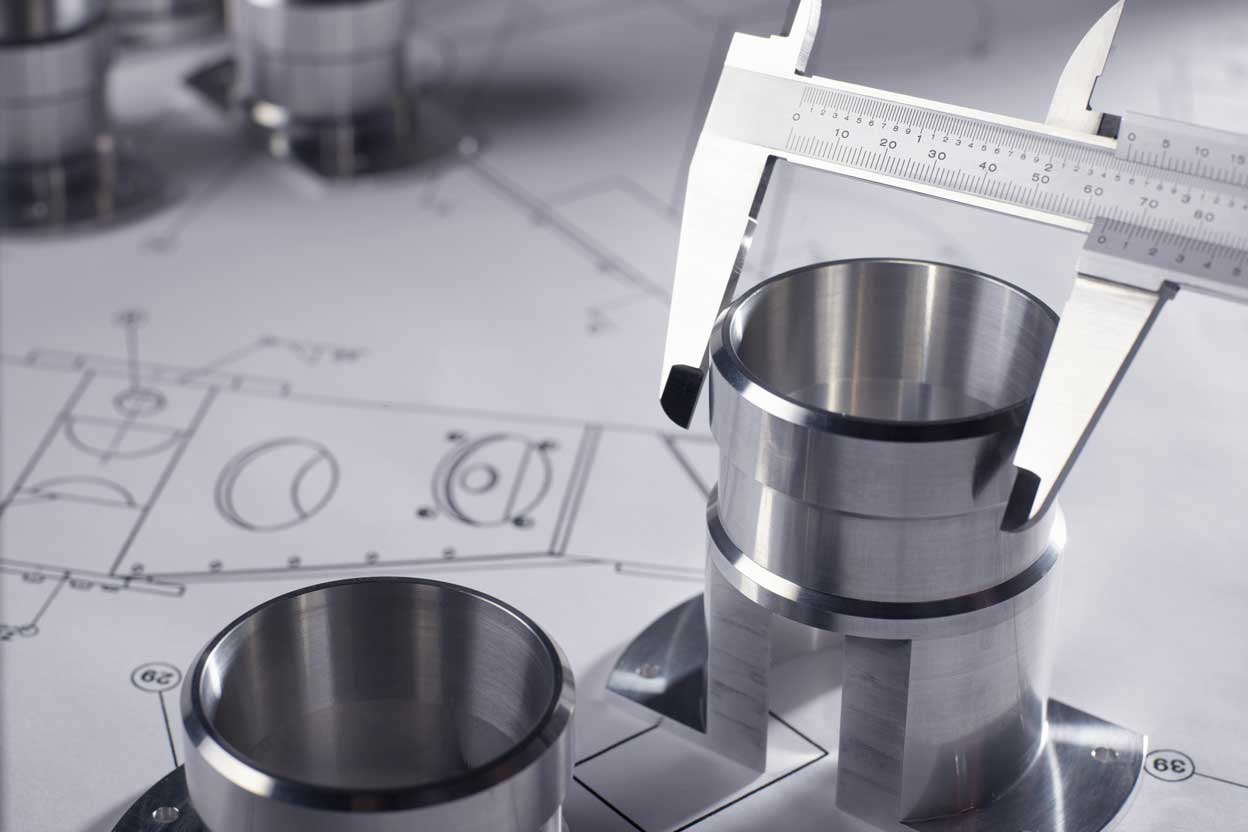
In machining, tolerances play a key role. They determine the function of the part, its final quality and its manufacturing cost. Yet they are often misunderstood or over-specified, which leads to longer lead times and unnecessary costs.
Here is how to understand when tightening a tolerance is justified — and when it is better to avoid it.
WHY TOLERANCES HAVE A MAJOR IMPACT
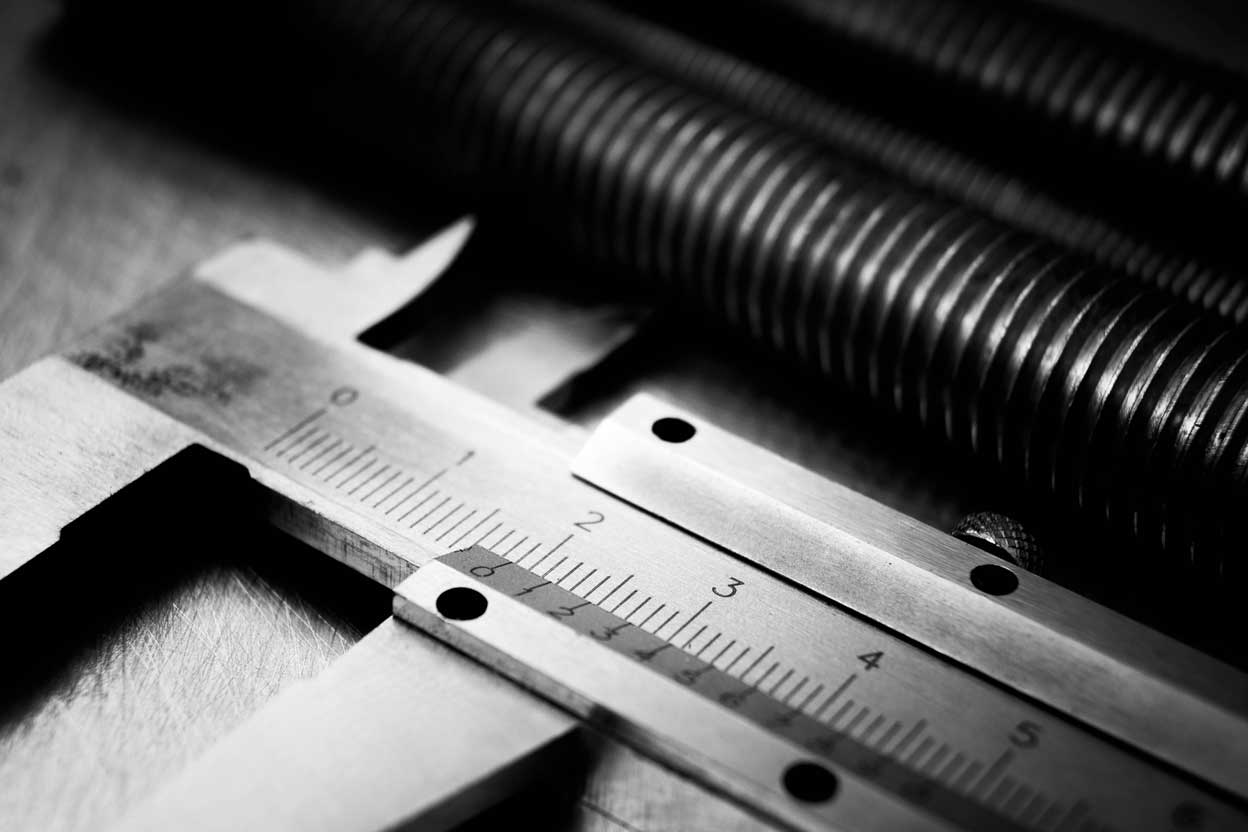
Every tolerance adds a constraint for the machine shop: more machining time, additional inspections and sometimes rework or specialized setups.
The tighter the tolerance, the higher the cost and the risk.
WHEN TIGHT TOLERANCES ARE REQUIRED
CRITICAL ASSEMBLY FUNCTIONS
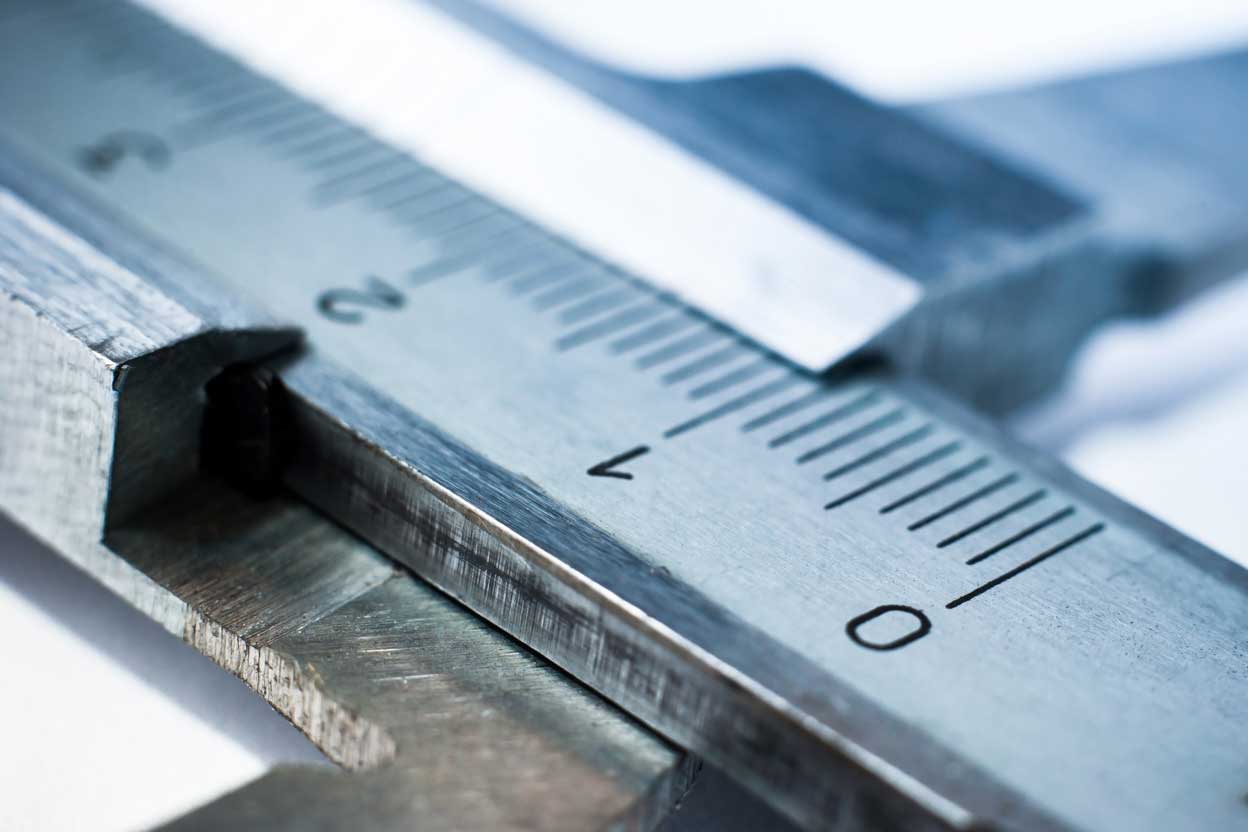
Tolerances must be tight when the dimension directly affects assembly between parts, alignment, clearance or interference.
Examples include bearing seats, shafts and functional bores, and guiding components.
In these cases, the tolerance ensures proper mechanical function.
SEALING SURFACES
Surfaces involved in sealing, pressure contact or gasket interfaces often require tighter tolerances combined with an appropriate surface finish.
PARTS SUBJECTED TO DYNAMIC LOADS
When a part is exposed to vibration, cyclic loads or high-speed rotation, tight tolerances contribute to stability, service life and safety.
PRODUCTION REPEATABILITY
In production runs or repetitive parts, controlled tolerances simplify assembly, reduce manual adjustments and improve overall consistency.

WHEN IT IS BETTER TO AVOID TIGHT TOLERANCES

NON-FUNCTIONAL DIMENSIONS
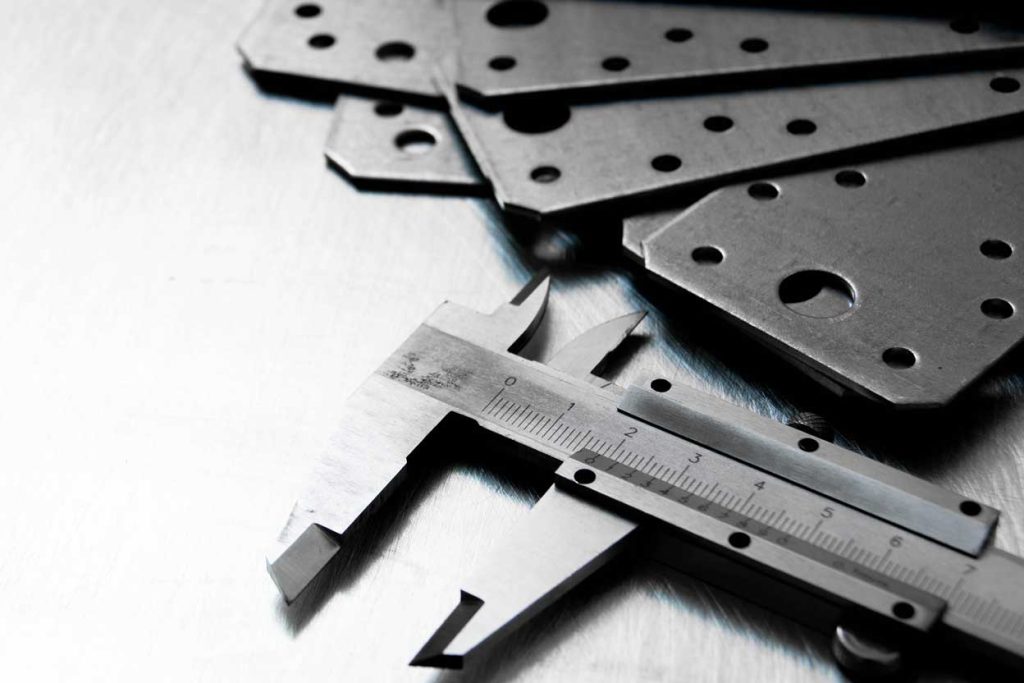
Many dimensions have no direct impact on function, so applying a tight tolerance “just to be safe” is a mistake that increases costs without real benefit.
If the dimension does not affect function, a standard tolerance is sufficient.
PURELY AESTHETIC SURFACES
Visible surfaces or those that are not mechanically critical do not require tight tolerances and can be machined using general tolerances.
SINGLE PARTS OR REPAIRS
For a single part, repair or modification, excessively tight tolerances are often unnecessary. What matters is the real function within the existing equipment.
DIMENSIONS THAT ARE DIFFICULT OR COSTLY TO INSPECT
A tolerance that is too tight may require specialized measuring equipment, significantly increase lead times or raise the risk of rejection.
A tolerance must always remain realistic and measurable.
THE IMPORTANCE OF COMMUNICATION WITH THE MACHINE SHOP
A good machine shop does more than simply execute: it questions, proposes and optimizes.
Discussing tolerances often makes it possible to relax certain dimensions, simplify the process and reduce costs without affecting function.
CONCLUSION: SPECIFY TOLERANCES WISELY
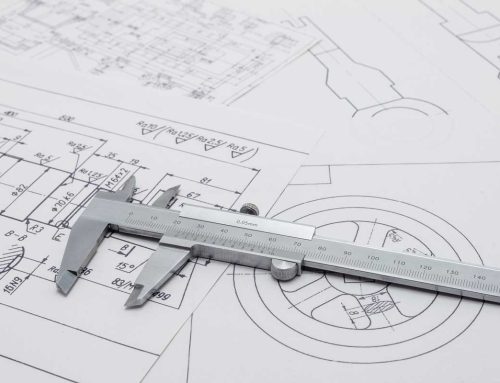
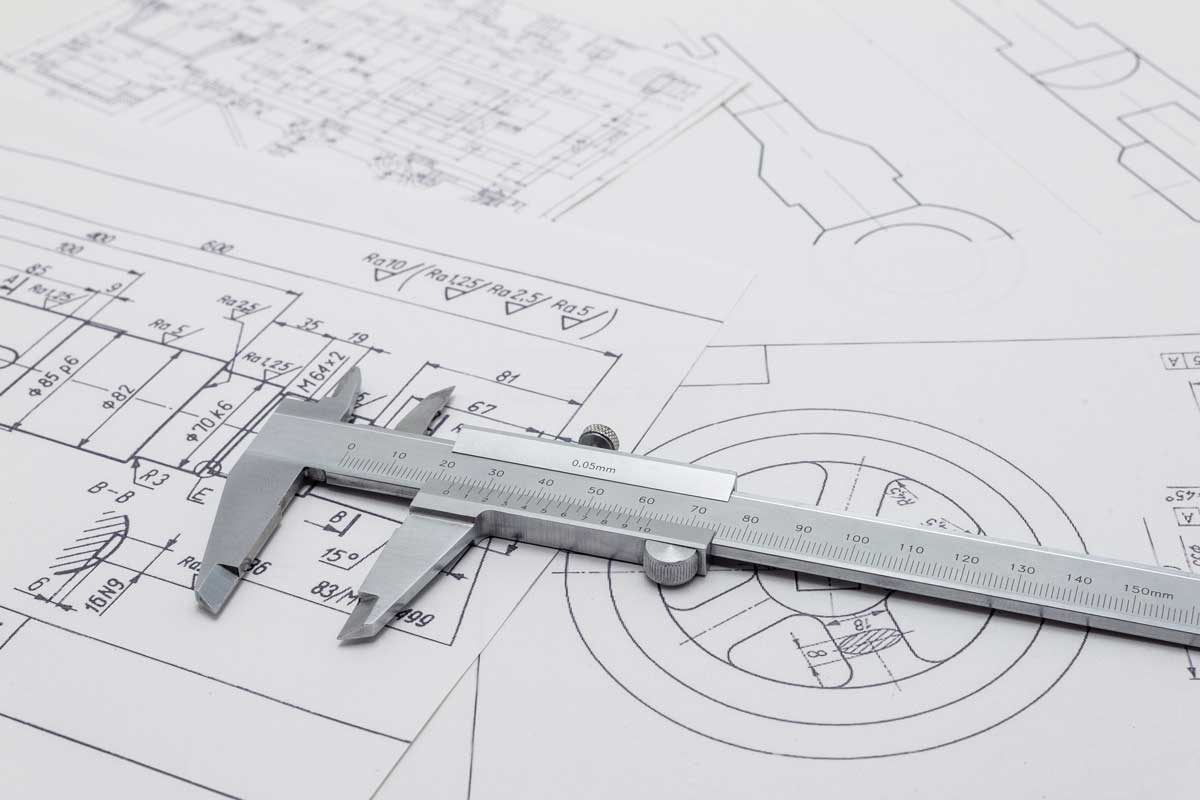
A clear, coherent and well-designed machining drawing allows faster manufacturing, controlled costs and compliant quality from the first part.
At Précifab, we believe careful drawing analysis and transparent communication are essential to delivering reliable, precise parts adapted to their function.